Upper Body
Warm Hat
Cap
Face Mask / Muffler
Wind stopper/Waterproof Jacket
Down Jacket
Fleece Jacket/ trousers
Thermol
T-shirts
Woolen gloves/Water/wind proof gloves
Exploring the Khumbu Everest region with ascending and crossing from a number of remote high passes to connect to the three valleys. This trip wll be clock wise means (West-North-East).The first high pass is Renjo La (5345mtr), with breathtaking views of Mt. Everest, Lhotse, Makalu and Cho Oyu, all above 8000 meters. Following that you will head to the most scenic area, the Gokyo valley that is dominated by Ngozumba Glacier (largest Glacier in the himalaya of Nepal) and Mt cho Oyu. The next morning is an adventurous ascend to Gokyo Ri (5357mtr) to see the dramatic views of 4 above 8000m peaks and Ngozumba glacier.After Gokyo valley the trails follows to Everest Base Camp valley via Chola pass (5420 Mtr)which is higher pass than Renjo Pass. After trip to Everest Base Camp and Kalpathar to enjoy magnificent views of Mount Makalu, Baruntse, Peak 38 and many more mountains, the trip will follow the trail to Khongma La pass (highest Pass 5535 Mtr) which is our final destination to enter chukkung Valley.Having done with these all, our trip head down toward Lukla. This trip is suggested for those who are fit and have trekked before in altitude.
Day 1
When you think Nepal, you will definitely think of world’s highest mountain of the world. Trekking to Everest basecamp is one of the most popular and adventures trip in the world.Every year thousands of trekkers come to see Mount Everest and to get to basecamp of Mount Everest which is life time experience trip.Once in your life time, one should visit Everest basecamp and see the Mount Everest.
Day 2
After the breakfast our city tour guide with luxury vehicle will come to pick you up for the city sightseeing of some UNESCO world heritage sites for half day.After that your free time for leisure and preparation for the trek.( Exchanging the money,shopping, gear check etc)
Day 3
Duration: 30 Minutes Flight and 3 hours Trek
Walking Dis: 8.2 KM
Elevation Gain: -230 Mtr
We fly to the mountain airstrip of Lukla (2,800m) with beautiful views of Himalayan ranges if the weather permited.and start the first day trek with full of energy and enthusiasm. Heading northwards up the valley of the Dudh Kosi (or 'milk river'). The place where we going to stay tonight is lower than the airport we landed.We descend from the small plateau, down into the forested valley. The trail offers some tantalising views before reaching the small settlement of Phakding (2,652m), where we spend our first night.
Day 4
Duration: 6 hours Trek
Walking Dis: 10.9 KM,
Elevation Gain: 830 Mtr
Heading towards the Namche, we follow the Dudh Kosi northwards.Todays walk takes us along the river through forest with some views of mountains as well until lunch. We cross the river several times by bridges as we pass through the villages of Benkar, Monzo and Jorsale. Jorsale Last point before Namche where we have lunch.There is the check point of Sagaramatha national park, from that point the SNP area begins. A final bridge brings us to the steep climb to Namche. Halfway up this ascent, if weather permitted we get the chance to see the summit of Mount Everest hiding behind Lhotse and Nuptse. After steep climb of 2 hours and ascents of 300 mtr climbing brings us to Namche. Namche is the main gateway of mount Everest and it is the trading center of Khumbu.It has weekly market on Friday afternoon and Saturday Morning but the shops,supermarkets, trekking shops,Bakeries are open for all day and everyday
Day 5
Duration: 5 hours Trek
Walking Dis: 7KM,
Elevation Gain: 350 Mtr
Today is rest day and acclimatization day.After breakfast will go for hike 300 Meter and back down again for overnight stay. We climb steeply out of Namche past the airstrip at Shyangboche to the Hilary viewpoint in Khunde height of approx 4100 Mtr,From where most spectacular view of Mount Amadablam,Thamserku,Khangteka etc. can be seen. Descending through forest we come to Khunde, where we have lunch,visit the Khunde Monastery and Edmund Hillary hospital.After lunch, we walk down to Khumjung where we visit khumjung Monastery to see the Yeti's Skull and the Hillary school. Khumjung Monastery is one of the oldest monastery of Khumbu, it was badly destroyed by recent earthquake but is now being constructed. Then we will head on towards Hotel Eversest view.about 30 minutes of gradual climb,we reach in Hotel Everest view, from where we have 360 panoromic view of beautiful mountains as Mount Everest,Mount Lhotse, Mount Nuptse,Amadablam, Thamserku,Kongde etc. Steep descend down to namche takes 1 hour.
Day 6
Duration: 4 hours Trek
Walking Dis: 8.5KM
Elevation Gain: 380 Mtr
Namche is the main centre of Khumbu, all trails to different routes of everest region are departs from Namche. We are going to do Renjo La (5435 Meter) first so we should head on Thame valley first to the west direction from namche.Renjo La is the easiest pass among other two passes. Our trail goes like steep climb about 15 minutes, then gradual up for 40 minutes in fir forest of pines and rhododendrons. Pass ancient mud plastered Stupa at Phurte, and follow the path to Tesho. You’ll roll into Thamo and Thamo Gompa. At the end of the spur, the trail drops steeply to the Khumbu hydroelectricity Company station and then turn to the Thame for night stay. Thame is small Sherpa village sits beneath the mountain wall of Kongde peak. and it is the home of world most famous Mount Everest climbers Ang Rita Sherpa, Apa Sherpa.
Day 7
Duration: 6 hours Trek
Walking Dis: 8.2 KM,
Elevation Gain: 530 Mtr
Gradual ascending the trail from Thame we will cross the marulung (4200 Meter) bank of Bhote Koshi river. Where we have lunch.We follow the narrow valley on pastureland.Lungden is the last point before the Renjo Pass.
Day 8
Duration: 8 hours Trek
Walking Dis: 9 KM,
Elevation Gain: 440 Mtr
Today is the quite long day with best views ever in this trip. Steep climb about 4 hours we get on the Renjo Pass, will spend there about 30 minutes to explore the stunning view of Mount Everest,Mount Makalu,Mount cho oyu, Mount Gyachung Kang,Cholatse and Taboche. In downward beautiful Gokyo lake,Gokyo village and in backward Ngojumba glacier( biggest glacier in Khumbu). Gokyo is a small settlement of lodges on the shores of a blue lake.
Day 9
Duration: 4 hours Trek
Walking Dis: 6 KM,
Elevation Gain: 570 Mtr
We have rest day here in Gokyo village with beautiful lake. We have option to go Gokyo Ri as well which is same elevation of Renjo Pass and most of the same views from Renjo Pass we can see from Gokyo Ri.
Day 10
Duration: 2.5 hours Trek
Walking Dis: 4 KM,
Elevation Loss: 70 Mtr
Today is easy day, just about 2 hours of slow walk over the Ngojumba glacier brings us in Dragnag which is the last point before Chola pass(5420 Meter). we need to take care as the path is narrow and there is ice underfoot in parts. The trail climbs up and down and takes us to the eastern side of the Gokyo Valley. We take full day rest in order to save the energy for tomorrow
Day 11
Duration: 7hours Trek
Walking Dis: 12 KM,
Elevation Gain : 130 Mtr
Early breakfast with early leaving from Dragnag, trail follows steep climb for 1.5 hours,then climbing zig zag on rocky and steep up to the top.Now the trail to chola pass is maintained some safely rope, so it is much more easier than beforedays. In upper part of the pass is covered by snow and ice.From where we can enjoy the views of some mountains.We should be careful when to descent as it's steep with snow and ice covered trail.After crossing the snow, the trail becomes more easier on pastureland to Dzongla, where we will spend night. It is a yak grazing land in summer.
Day 12
Duration: 2.5 hours Trek
Walking Dis: 6 KM,
Elevation Gain:100 Mtr
Not more than 2.5 hours of easy , straight and gradual ascending walk on the pastureland brings us in Lobuche. Amazing views of beautiful mountain as Mount Amadablam, Mount Pumori, Mt Nuptse is incredible.Lobuche is the main junction to the way of Mount Everest basecamp.We have full rest after the lunch, can have showers and save energy for the next day for long walk.
Day 13
Duration: 7 hours Trek
Walking Dis: 11.7 KM,
Elevation Gain: 454 Mtr in EBC and While in Gorakshep 230 Mtr
Today is the longest and hardest day of the trip and going to reach in Everest basecamp and back to Gorakshep. We leave quite early along the Khumbu Glacier in right side. After one hour walk of gradual , we climb steep for 20 Minutes and trail follows up and down in moraine and some steep sections all the way to Gorakshep (5185 Meter).Where we have quick lunch and with some snakes bar ,enough water , we hit for the basecamp for another 2.5 hours walk to basecamp.Climb onto a moraine of khumbu glacier, Continuing straight ahead up an down walk in 3 hours bring us in Everest basecamp.In Spring season, Everest basecamp can be seen as small tented city, but in rest season, we can rarely see some expedition group to Everest or Lhotse.We spend here for photo click with basecamp rock and ice, enjoying the view of Khumbu Ice fall then we move our steps to Gorakshep.
Day 14
Duration: 6 hours Trek
Walking Dis: 7 KM,
Elevation Gain: 405 Mtr while in Kalapathar
Elevation Loss: 230 Mtr
We still have another hard day and main attaaction of the trip. Which is also for the best view of Mount everest ,as we climb steeply quite early with cup of tea and biscuits, after climbing of 2 hours from Gorakshep we reach in the summit of Kalapathar. We spent short time to take pictures of world highest mountains and khumbu glacier, then we return to Gorakshep for breakfast and step towards Lobuche for lunch and night stay as well.
Day 15
Duration: 7hours Trek
Walking Dis: 11 KM,
Elevation Loss: 180 Mtr
We start quite early from Lobuche crossing over the khumbu glacier. There is not fixed trail,trails on the rock and moraine about one hour then we have a steep climb all the way to Khongma La top (5545 Meter) same altitude of kalapathar. The trail goes on some part of rock and some part on pasture.It takes about 3 hours to climb the steep part, can enjoy the bothside mountain ranges from summit of khongma la. In the west Lobuche east, Cholatse,Nirekha and Pumori , Khumbutse, Changtse on the north, Island peak, Makalu, baruntse and big Imjal glacial lake on the East and Pokalde is just near by us. After spending half an hour for pack lunch and photos, we step down towards chukkung. Steep descents to chukkung on grassland but in some steep section should really be careful.
Day 16
Duration: 6 hours Trek
Walking Dis: 13 KM,
Elevation Loss: 890 Mtr
We follow the Imja river all the way down crossing the Imja valley ,beautiful town dingboche . The trails goes gradually down. We descend down to Pangboche , highest permanent settlement in khumbu region, where we visit the oldest monastery of Khumbu.After lunch in pangboche we step forward down to Tyangboche, crossing the suspension bridge which enters the rhododendron and fir forest crossing the Deboche. 40 minutes gradual climb from deboche brings us in Tyangboche. Where we visit the monastery which is most popular and spiritual and training center for new monks of the khumbu.
Day 17
Duration: 6 hours Trek
Walking Dis: 11 KM
Elevation Loss: 420Mtr
Steep descending about 1.5 hours from tyangboche in rhododendron and fir forest brings us in Dudh koshi gorge in Phunki Tenga and another steep climb of 2 hours brings us in Khumjung. It is known as green valley, Where we visit Monastery to see the Yeti's skull and Hillary school . After lunch we will visit to khunde ,to see the quite and small Sherpa village where we visit Hillary hospital and Monastery and we descend to Namche for the night stay.
Day 18
Duration: 7 hours Trek
Walking Dis: 19.1 KM
Elevation Loss: 600 Mtr
Long day walk before flying back to Kathmandu. it takes about 7 hours to get to Lukla from Namche.We are following the same trail that we took on the way up from Lukla, but the views are completely different.The trail descends steeply downward so should be careful with slow walking. After crossing the suspension bridges over Dudh Koshi,the trails becomes more easy and natural.We follow the trails along the Dudh kosi river with rhododendrons and pine forest.Upon arrival in Lukla, sharing the happy moments and great experience with staffs,dinner together and happy note with everyone back safe and sound.
Day 19
Today we have a early breakfast in order to catch the flights,sometimes weather doesn’t permits, should be patient for the waiting. It takes about 30 minutes to get to Kathmandu
Day 20
This is also spare day incase for delay of flight to/from Lukla).If arrived on time, you can take your own time for shoppinp,sightseeing and relaxing. Thamel area is full of shops and restaurants and coffee shops for those who want a more relaxing day. We will have the farewell dinner in typical Nepali restaurant with nepali cultural music and dances to celebrate the successful completion of our journey.
Day 21
You will be transfer to airport for schedule flight to home.

Warm Hat
Cap
Face Mask / Muffler
Wind stopper/Waterproof Jacket
Down Jacket
Fleece Jacket/ trousers
Thermol
T-shirts
Woolen gloves/Water/wind proof gloves

Trekking Trousers(light weight long Paint)
Underwear
wind stopper/waterproof Paint
Fleece or woolen pants
Thin Lightwear/heavy poly or wool Socks
Sandals
Trekking Boot
Gaiters
Spare Shoes

Medium Rucksack (50-70 Ltr)
Small Day Pack
Personal Medical Kit
Chapstick/Sunscreen
Water bottle
Large Duffel bag
Trekking Pole
Spare batteries for Camera and Flash Light
Hand Towel
Head lamp with extra Batteries
Sun Glasses with UV protection
When you think Nepal, you will definitely think of world’s highest mountain of the world. Trekking to everest basecamp is one of the most popular and adventures trip in the world.Every year thousands of trekkers come to see Mount Everest and to get to basecamp of Mount Everest which is life time experience trip.Once in your life time,one should visit Everest basecamp and see th Mount Everest.
More than that this trek is one of the worlds highest pass treks. All passes are above 5000 Mtr. Those who are physically fit can do easily, The views from all these passes are amazing.
In Nepal, there are four different seasons such as Spring, Summer, Autumn and winter. Spring and Autumn are most popular for trekking in Nepal.But the best season of your travel might be differ as per your purpose and your suitable time for travelling in Nepal. You can read more about the most favorable seasons in our link below http://www.khumbualpinetravel.com/nepal-travel-guide.html
For trekking in the Everest Region, you need the following permits:
Local Governments Entry fee instead of TIMS ( Trekking information management system):The local government is charging Rs 2000 per person in Lukla in the entrance of Everest Basecamp Trek.
Sagarmatha National Park Entry Permit: To entry in the Sagarmatha National Park,One has to obtain the permit which cost Rs 3000+ government tax per head. the park that is home to the Mount Everest Region, you need to obtain an entry permit.
Safety is our first concern. As we provide the experienced guides and leaders for the particular trip who are well trained about the high altitude sickness, first aid ,friendly attitude and ability to provide useful and important instructions. All our itineraries are designed with proper acclimatization days in order to reduce the risk of altitude sickness. In every group we provide the first aid kit bag incase of any injury and emergency.
Along the trail to three pass trek , there are well facilited lodges are available with various types of foods. We provide you three meals a day with your own choice. We always provide the seasonal fruits as well. We always book in lodges with well management and facilities. Rooms are very nice and attached toilet until Dingboche. if you buy single supplementory package you will get single room.
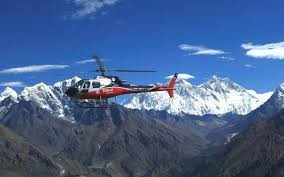
Just about 25 minutes flight from Kathmandu takes us to Tenzing Hillary airstrip in Lukla but the due to some circumstances, these days the flight to Lukla are operated from Ramechap, which is 4 hours drive from Kathmandu and 15 min by flight to lukla. There are options to fly by helicopter directly from Kathmandu to Lukla as well, which is bit expensive than regular flight. Sometimes the weather doesn’t permits for the regular flight, then we should be compulsion to hire the helicopter.The airlines companies has operated the first flight to Lukla directly from Kathmandu, so if you book your trip with us prior to 3 months , we can book the seat for direct flight.
After your arrival in Kathmandu airport, we recommand to buy One ncell sim card. In Thame valley towards our first pass among three pass, there is neither phone service nor Internet, Only after the Renjo pass you will get good internet facilities.There are varieties of data cards as 10 GB, 20 GB. If you purchased bigger one it works all over the khumbu and if you purchase 20 GB one it it enough for your whole trek and you can enjoy in social media, news and connect with your family friends and loved one.
You can pay by foriegn currency as well, but the exchange rate will not be same as Kathmandu, so we recommend you to exchange the money in Kathmandu and take a nepalese Rupees.Except in Thame valley, mostly lodges along the way to three high pass trek they accept the credit cards but sometime due to internet problem it will not be 100% guarantee
Spring season starts from March, but until third week of march temperature will still be cold even in day time. But actually temperature depends on weather, if weather is mild temperature ranges from 10-15 Degree Centigrate. If the weather is clear, days will be warm.After the April it will be warm with sunny weather. Especially in Morning and Evening time will be little cold.
Autumn season starts from September, September will still be warm even the weather is not good. From October normally in morning and evening will be cold.
All high passes are above 5000 Mtr, so after properly acclimatized anyone can do easily the high passes trek, Technically chola pass is little difficult rest two are very normal.
1) Physical Fitness
One should be physically fit before to do the any trekking and mountaineering. It is long hike so without any training the first two/three days will tough for you. So some basic physical fitness like squat, Mountain climbers ( which can be done in home),running,biking , stair climbing,and swiming will help lot to do trekking in the mountains, so it is highly recommanded 2/3 months prior to your departure for the trekking or mountaineering.
(2)Foods and Drinks
While in the mountain, it is highly recommanded you to drink plenty of fluids like water,soups, teas as well as foods. We will provide the sufficient and hygiene food as per your choice in whole trek.However some private snacks as chocolates bars, cookies are also highly recommanded which you can take from kathmandu or you can buy on the way in lodges or in shops.
(3)Drinking water
One should drink at least 3-4 litres of water every day in order to get hydrated the body which helps lot to be away from altitude sickness.You can buy the bottled water all the way cost from Rs 80 ( Which is equivalent to 80 cents )to Rs 400 (which is equivalent to 4 USD), but the bottled waters are not highly recommanded because as we are environmentally sensitive and also expensive. Whole area except in Gorakshep where drinking waters facility is poor, in that place you have to buy the bottled water in compulsorily. We highly recommend you to carry the reusable water bottle and buy boiled water in lodges/teahouse which also makes your sleeping bag very warm while going to bed, to use sterpin or take chlorine or iodine tablets to purify the drinking water.
(4)Best time to Travel
Spring ( Mar-May)and Autumn ( Sep- Nov) are known as best months to trek in Nepal becuase of the stable clear dry skies which permits to enjoy the spectacular mountain views but mostly lodges, hotels and trails are busy and crowded. Spring season is pleasant and suitable with warm tempreture for trekking and climbing the big mountains as well, so Everest basecamp will be full of tents and looks like small tented city. Untill end of october, the tempreture will be mild cold. Weather will be stable with clear blue sky, dry and at the same time one of the popular religious festivals named Manirimdu festival will be held in Tyangboche Monastery.
Winter and summer are also good if you would prefer less crowdy, and ready to face the some challanges like snow, cold, and rain.Even in winter weather will always be clear but the these three months are coldest month of the year and sometimes snow falls. In Summer, It is very good to do trekking, tempreture will be warm, those who are keen to botanist, summer is the best but the due to unstable weather the views of mountains are very rare.
5) Altitude Sickness
Trekking in Everest region is one of the highest trekking in world.In high altitude , the mass of oxygen will be less, so everyone feels difficult to breath as well as mild headache, dizziness etc.This is one of the biggest challanges in mountain.In the altitude, there are many rules to make our body adaptable to the altitude. Acclimatization is one of the important factor to adjust our body get used to the altitude. All our itineries are designed with proper acclimatization day in every 1000 mtr climbing.The most important rules that we have to follow in altitude is walk slowly, keep drinking plenty of fluids as water , soups etc to make our body hydrated, and keep our body warm. Our staffs and guide will always do their best as they can, eventhough incase of any sickness,injury one should avoid their rest trip and should come down.
(6)Travel Insurance
It is compulsory to buy the proper travel insurance policy with genuine insurance company, it should cover the emergency helicopter evacuation as well as medical treatment incase of severe injury or sickness and Policy should include coverage at the altitudes up to 6000 Mtr if you are doing just trekking and if you are doing mountaineering should be 6500 Mtr.
(7)Bag pack and duffel bag
Our duffel bag should be maximum 15kg including hand bag. Only the neccesary things should be packed and the stuffs which are not neccesary on trek will be stored in hotel in Kathmandu.One porter will carry max 30 Kg,among two clients one porter will be provided.
(8)Internet Connectivity and cell phone Signal
As per your arrival in Kathmandu airport, there you can buy nepalese Sim card ncell or you can buy anywhere around city. In Thame valley for two days on our way to Renjo pass, Phone signal works for one day but internet is not available, after crossing Renjo La , in Gokyo valley and everest basecamp area there is good facility of internet connectivity.Except in these places, there is good facility of wifi with purchasing data card of Everst link.If you buy the biggest data pack in Namche which is in 50 GB cost of Rs 3000 ( equivalent to 30 USD)it works whole area of Everest region perfectly except Thame valley so You can enjoy with social media or connects with your family, friends or loved one.
(9)Flight to Lukla
Lukla Tenzing hillary airport is only one airport to get to the Everest region, The mountain weather is always unpredictable and flights always depend on weather, Mostly time of spring and autumn will be good and there will be regular flights . If the weather became bad flight will be delay and our pre planned trip can be extend. So we always should keep 2/3 days extra incase of irregular flight.Another option is to take helicopter, for that less visibility than aeroplane will be work. But helicopter cost is doubled than regular aeroplane cost which is not included in our trip cost and should be bear by oneself.
These days due to the high air traffic congestion in Kathmandu airport, domestic flights to/from Lukla is operated from Manthali airport which is 135 KM away from Kathmandu, we have to start early from kathmandu by road to catch the flight from Manthali.
(10)Sanitation
In mostly places toilet are common and need to use the same toilet using by everyone else. Mostly place there may not be available of hand washing water, so highly recommend to take hand sanitizer by yourself and most importantly toilet papers or wet tissue paper should always be in your day bag.
(11)Government permits and National park permit
To enter in Everest region you have to buy Sagaramatha national park permit and local government permit,the cost will be included in trip cost.Your guide will manage everything.
(12)Guiding and staffing
In everest region average walk per day is 6-7 hours. Leisurely and pleasant guiding will definitely take you to destination. More you gaining altitude more hard to walk, toughest and longest day will be the day of going to high passes , EBC and kalapathar,to see the sunrise from kalapathar, you have to wake up around 4 Oclock in the morning. Your experieced guide and porter will always be there to help you in every moment.Guide is the key factor for the every challanging in mountain so one should follow the instruction of guide pleasantly.Every day after dinner your guide will do brief about the next days trip.
(13) Budgeting
Budegeting depends upon many factors specially in Kathmandu where there are too many choices.Hotels in Kathmandu include in trip cost on basis of BB plan. So average expenses per day in Kathmandu will be Rs 2000 for lunch and Dinner, if you prefer some other activities as drinks, to do massage, or to go in bar/pub Rs 5000 ( equivalent to USD 50 ) is enough. On the trek, all the meals and hot drinks will be provided by company, Extra expeses as Hot shower, battery charging, wifi, boiled water for bottle, extra snacks bars, Soft drinks and hard drinks should borne by oneself,In average Rs 2000(eqivalent to 20 USD) is enough on the trek. Finally few tipping is highly recomended and compulsory in the last day to your guide and porter as per your budgeting.
14) Clothings and gears
Head
Upper Body:
Lower Body
Feet
Accessories